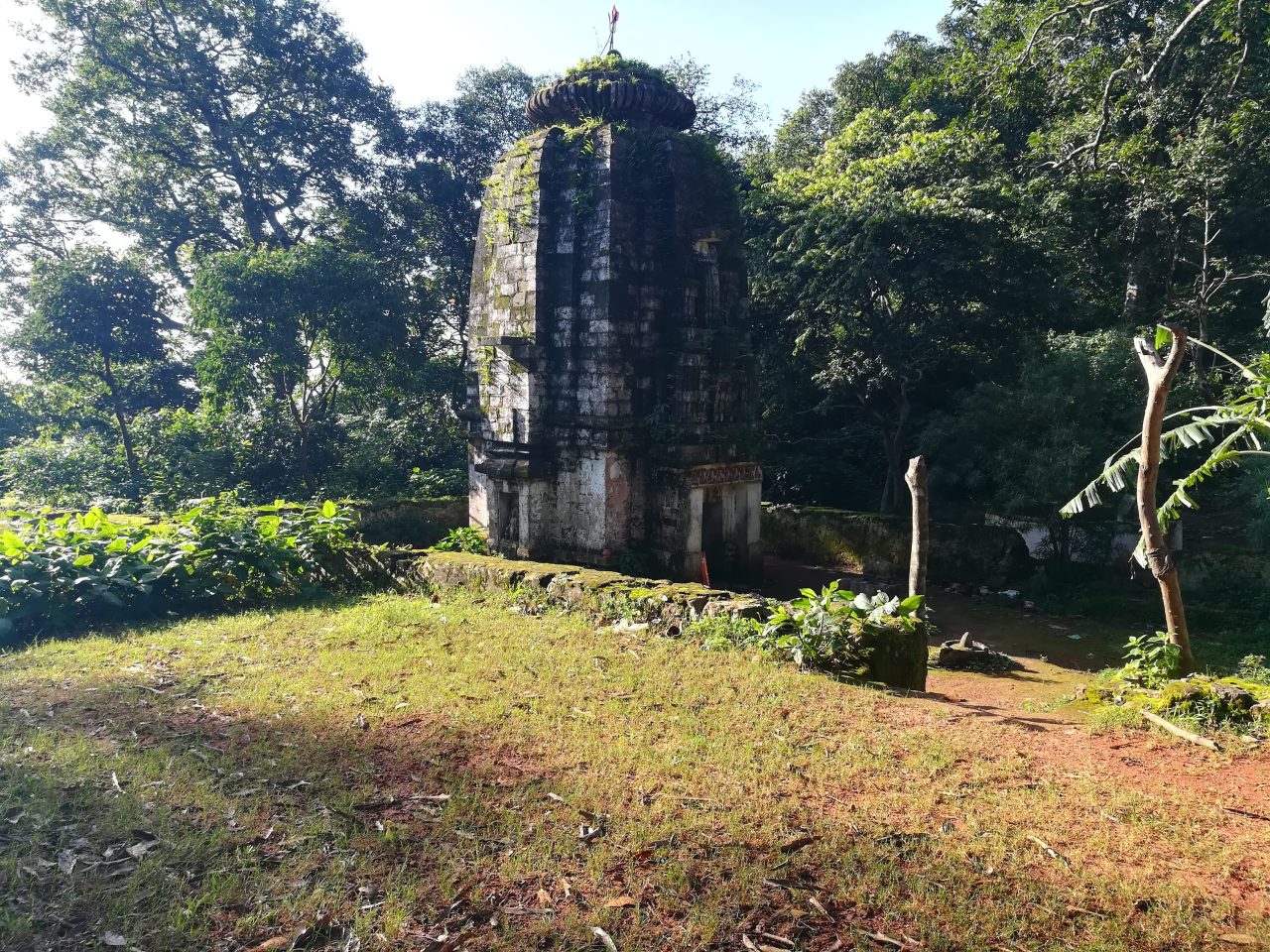
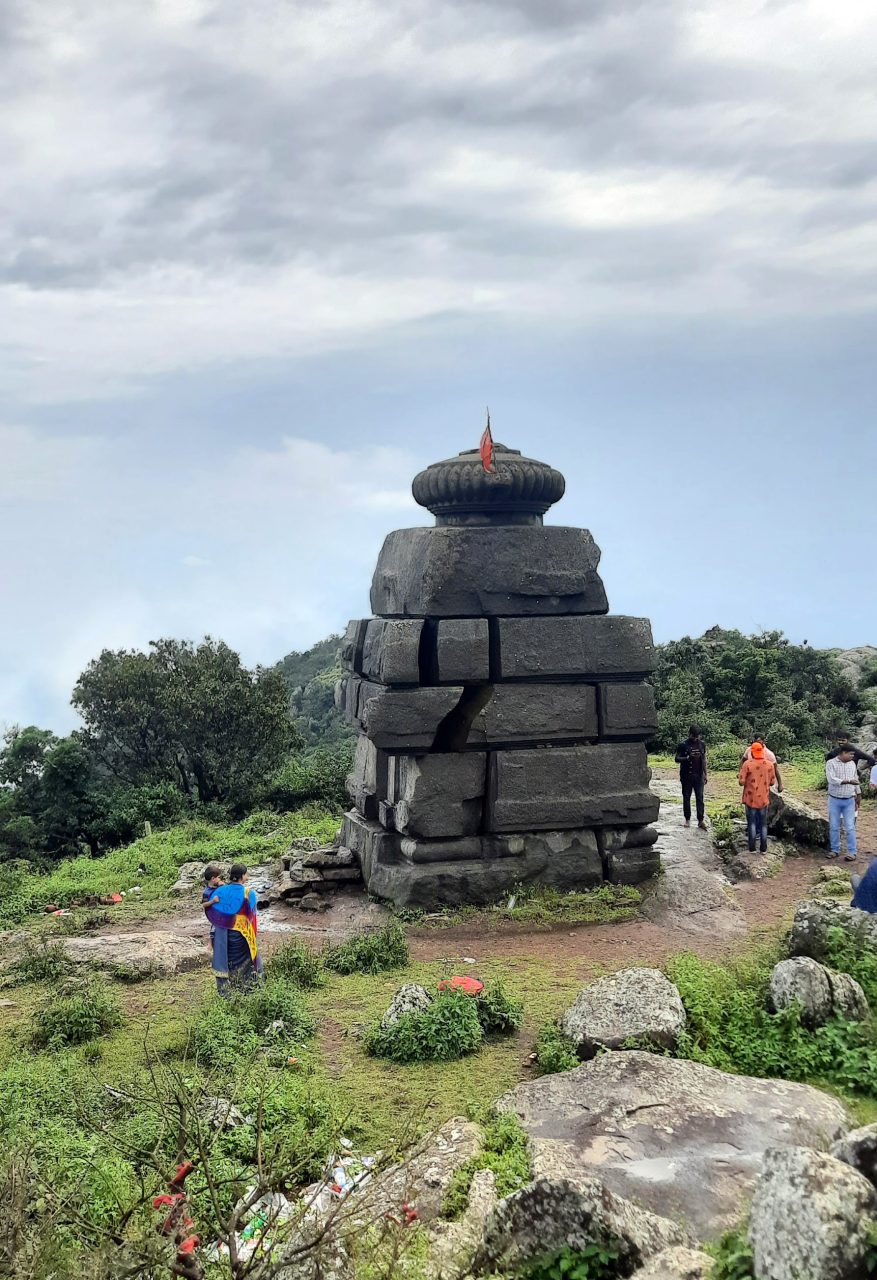
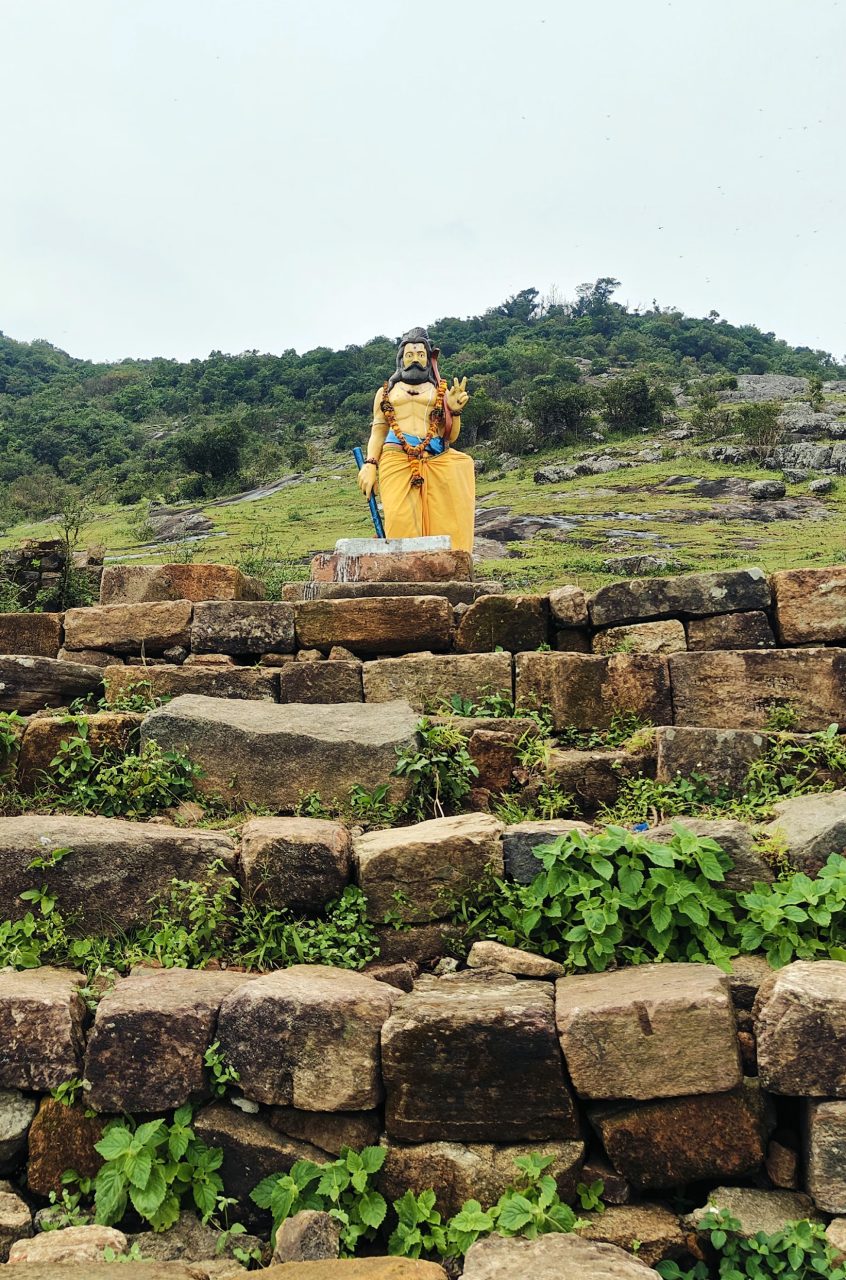
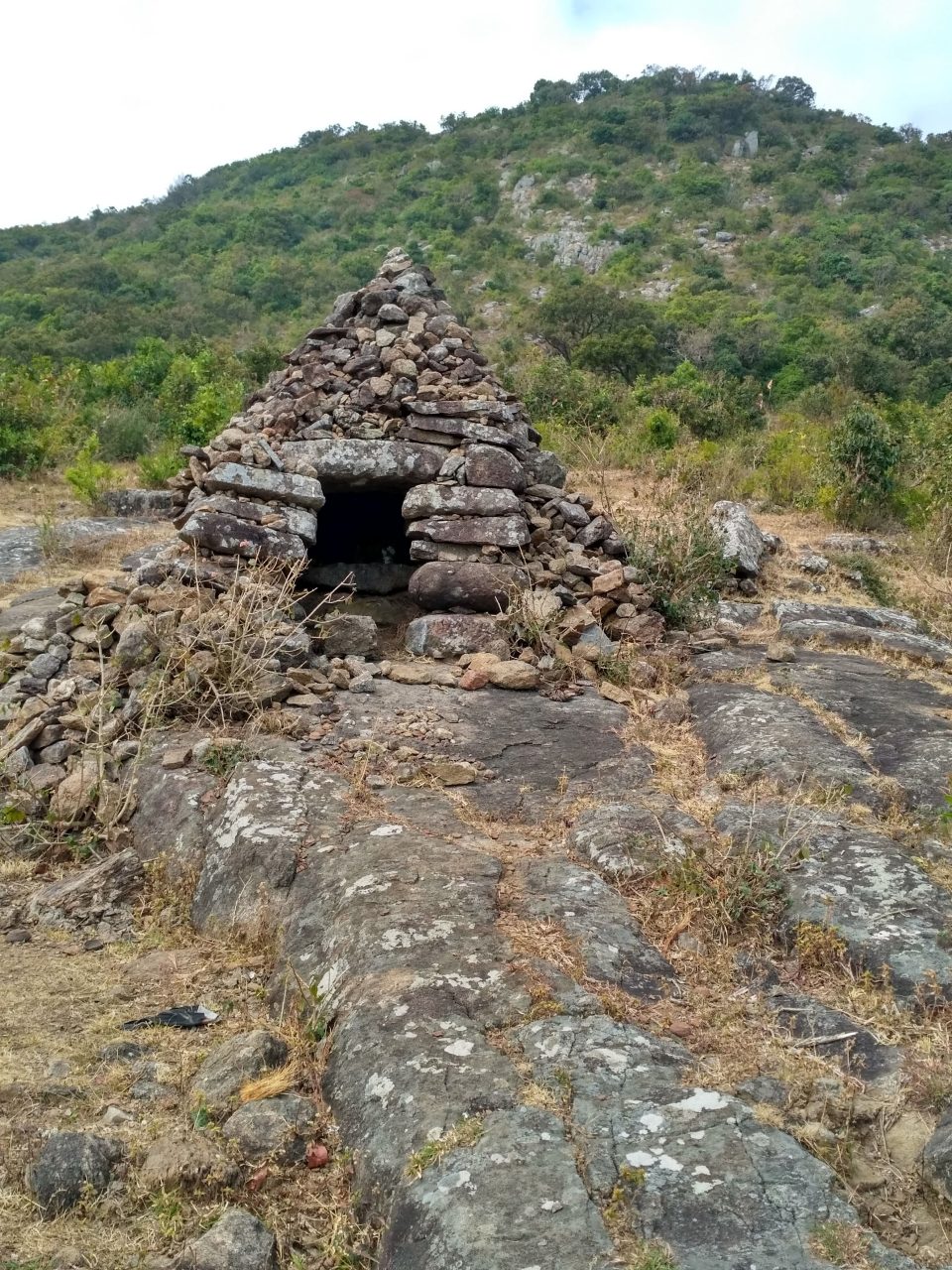
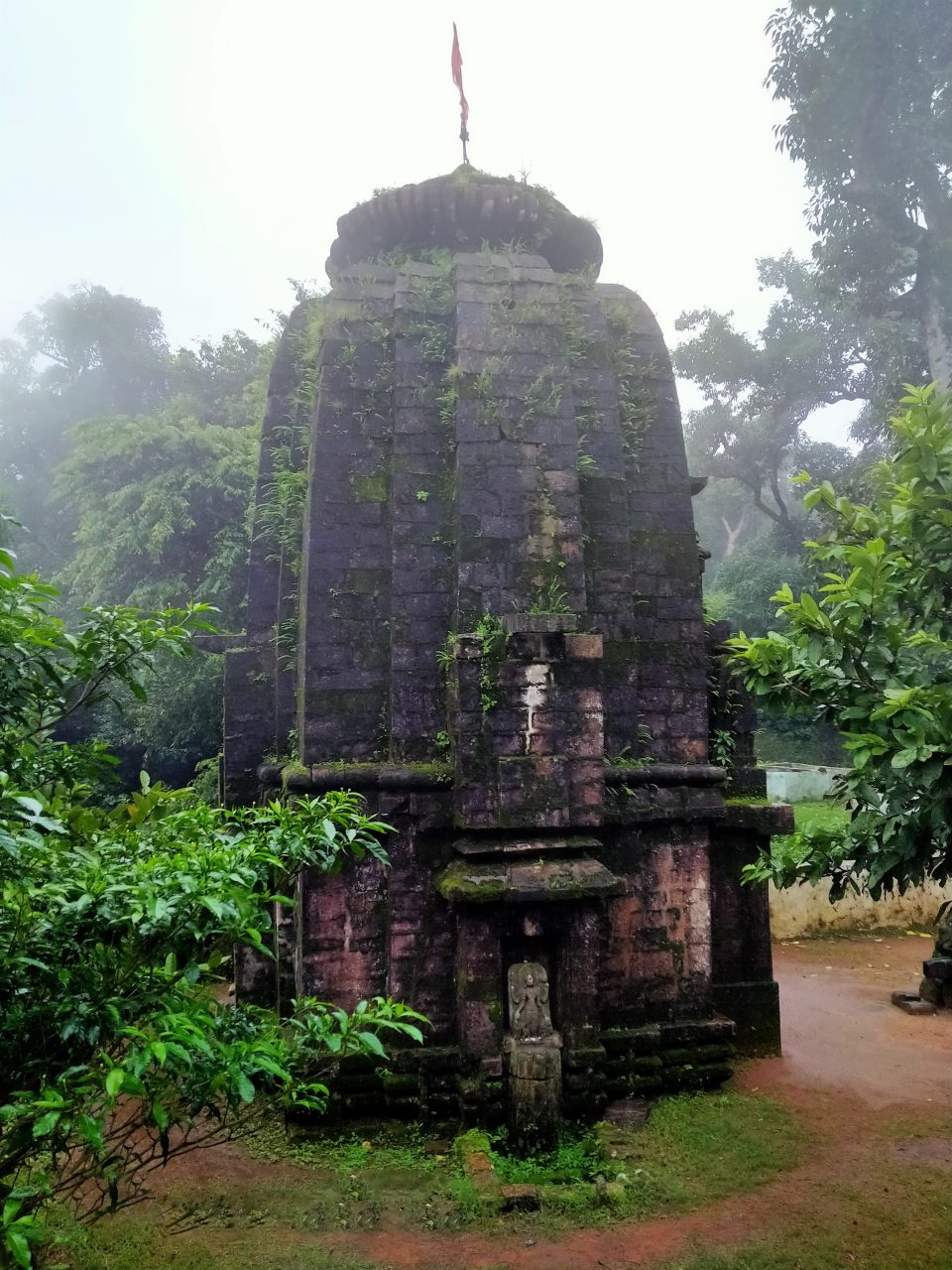
Recently I saw a nice post by the devotees of Vishakhapatnam where they visited the sacred tirtha of Mahendra Giri where Lord Parashurama lives even till today. This sacred mountain is located in Odisha on the border with Andhra Pradesh, and is mentioned in every Purana and Itihasa.
It is a common theme in the scriptures for people to visit this mountain to meet with Lord Parashurama in person, as he has remained there in meditation from the time of completing his mission.
I would like to point out a few verses about this holy place that span many periods. Lord Rama has visited this tirtha, the Pandavas have visited it, and even in more recent times Chaitanya Mahaprabhu has visited it 500 years ago.
In the Srimad Bhagavatam it is mentioned as follows:
āste ’dyāpi mahendrādrau
nyasta-daṇḍaḥ praśānta-dhīḥ
upagīyamāna-caritaḥ
siddha-gandharva-cāraṇaiḥ
“Lord Parasurama still lives as an intelligent brahmana in the mountainous country known as Mahendra. Completely satisfied, having given up all the weapons of a kshatriya, he is always worshiped, adored and offered prayers for his exalted character and activities by such celestial beings as the Siddhas, Caranas and Gandharvas.” – Srimad Bhagavatam 9.16.26
There is a similar verse found in the Mahabharata as follows:
mahendre vai giriśreṣṭhe
rāmaṃ nityam upāsate
ṛṣayo vedaviduṣo
gandharvāpsarasas tathā
“Upon Mount Mahendra, the foremost of mountains, Lord Parashurama is constantly worshipped by sages learned in the Vedas, as well as by Gandharvas and Apsaras.” – Mahabharata 5.175.2
When Lord Balarama went on tirtha yatra, as mentioned in the Srimad Bhagavatam, he also came to this holy place to personally meet Lord Parashurama:
upaspṛśya mahendrādrau
rāmaṁ dṛṣṭvābhivādya ca
“Lord Balarama bathed at Mahendra Giri, where he had darshana of Lord Parashurama and offered obeisances to Him.” – Srimad Bhagavatam 10.79.12
In the Mahabharata, it is mentioned that after bathing in the sacred Vaitarani river and offering oblations to the forefathers at Yajapura (Jajpur) in Odisha, the Pandavas next went Southward to Mahendra Giri to meet Lord Parashurama:
tataḥ kṛtasvastyayano mahātmā
yudhiṣṭhiraḥ sāgaragām agacchat
kṛtvā ca tacchāsanam asya sarvaṃ
mahendram āsādya niśām uvāsa
“Then the great soul Yudhiṣṭhira, having received blessings, went toward the ocean; and having fulfilled all that was commanded, he reached Mahendra mountain and rested there for the night.” – Mahabharata 3.114.26
There is an entire chapter on their stay in Mahendra Giri and their meeting with Parashurama and other sages.
Finally, we have the visit of Sri Chaitanya Mahaprabhu to Mahendra Giri (called as Mahendra Shaila in Chaitanya Charitamrita):
durvaśane raghunāthe kaila daraśana
mahendra-śaile paraśurāmera kaila vandana
“At Durvasana Sri Caitanya Mahaprabhu visited the temple of Lord Ramacandra, and on the hill known as Mahendra-saila He saw Lord Parasurama.” – Chaitanya Charitamrita 2.9.198
There is a geographical mistake in the purport to this verse, where Mahendra Shaila has been confused with a hill near to Tirunelveli in Tamil Nadu that also has the name Mahendra Giri. Most of these geographic explanations of towns, specific trains, etc., found in Chaitanya Charitamrita were researched by Bhaktisiddhanta Saraswati’s disciples for his commentary on Chaitanya Charitamrita, and then copied into Srila Prabhupada’s purports. Some small mistakes can be found in some of the geographic details, and its not unreasonable considering the limited access to information in the early 1900s.
Besides Mahendra Giri being a well known often repeated story in the Puranas related to Parashurama, there is another evidence that confirms the location in Tamil Nadu is not correct. If we compare, both Lord Balarama and Lord Chaitanya followed the same route for tirtha yatra, and both name the same exact places they visited. The only difference is in Chaitanya Charitamrita the order is not given chronologically (and this is specifically stated that it was not in chronological order):
ataeva nāma-mātra kariye gaṇana
kahite nā pāri tāra yathā anukrama
“Because it is impossible for me to record all these places in chronological order, I will simply make a token gesture of recording them.” – Chaitanya Charitamrita 2.9.6
But in the Bhagavatam the tirtha yatra is listed in chronological order, making it clear Mahendra Giri was in Odisha (after Ganga Sagara and before Godavari). In both lists, Lord Balarama and Lord Chaitanya met Parashurama personally at Mahendra Giri, because that is where he physically resides in meditation even today. Both Mahendra Giris in Lord Balarama’s tirtha yatra and Lord Chaitanya’s tirtha yatra are clearly the same location, as every other stop in their tirtha yatras match.
Though the topic would need a separate post of its own, in brief, this giant forested area which spanned across Odisha, Andhra Pradesh, and Chhattisgarh (from Chitrakoot in the North to Mahendragiri in the South), was known in the ancient times by various names: Mahavana, Mahakantara, Dandakaranya, and Jharikhanda.



Every cow and calf at our sanctuary has a story of rescue, healing, and hope. Your generous support provides them with food, shelter, medical care, and a lifetime of protection. Together, we can give these sacred animals the love and safety they deserve.

0 Comments